
Metal Roof Pros and Cons: The Complete Homeowner's Guide (2026)
A metal roof is not just a roofing upgrade it is a long-term investment that pays back over decades. A metal roof delivers long-lasting protection, energy efficiency, and modern curb appeal but understanding both metal roof advantages and disadvantages before your roofing project starts is what makes the difference.
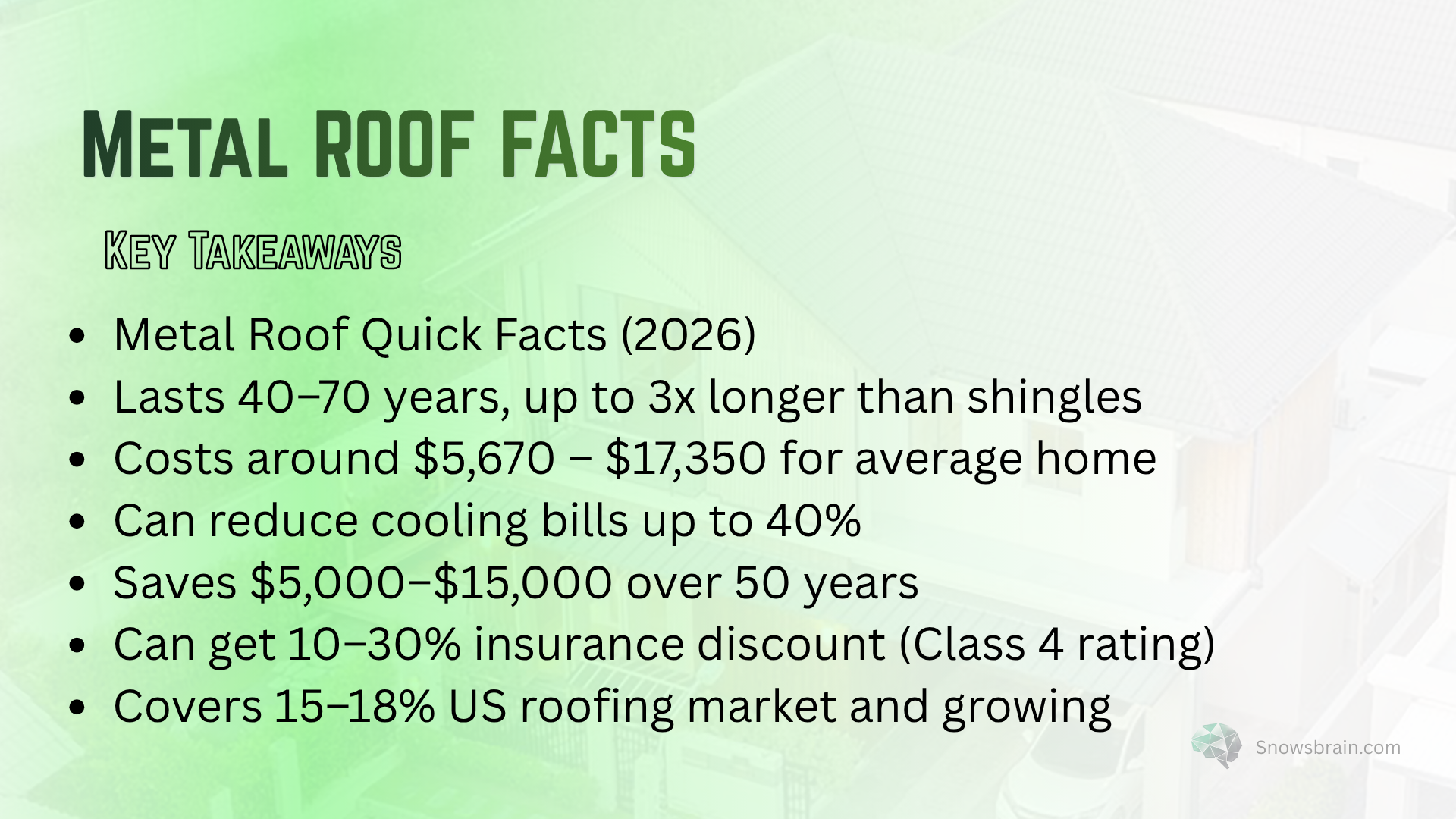
What Is a Metal Roof?
A metal roof is a roofing system built from metal panels, metal tiles, or metal sheets — designed to give residential and commercial buildings decades of roof protection with minimal maintenance. The four main roofing materials are steel, aluminum, copper, and zinc each with unique benefits and specific roofing considerations. Unlike traditional roofing materials, metal roofing delivers a rare combination of longevity, fire resistance, sustainability, and architectural compatibility across every climate and architectural style.
When comparing two roofing systems, standing seam vs exposed fastener systems helps you choose the right balance between durability and cost. Standing seam panels use hidden fasteners and raised seams for maximum weather-tightness and a modern appearance, while exposed fastener systems use a wavy pattern corrugated design that is cost-effective and popular for industrial, agricultural, and rustic designs. For a deeper look at every material and system type, read our full guide on Metal Roof Types, Uses and Cost.
7 Pros Of Metal Roof
Your roofing decision should not be based on upfront price alone. Every homeowner I have worked with who switched to metal roofing told me the same thing — they wished they had done it sooner. A metal roof solves problems that traditional asphalt roofing simply cannot — from outstanding longevity and weather resistance to real energy savings and sustainable roofing built to last 50 to 70 years without a second thought.

1. Exceptional Durability and Lifespan
Metal roofing is one of the few roofing materials that can genuinely outlast the home it covers. A properly installed metal roof lasts 40 to 70 years, sometimes 40 to 80 years as compared to conventional asphalt shingles that need roof replacement every 12 to 20 years. The McGraw-Hill survey found 26 percent homeowners cited longevity as their primary reason for switching, and another 22 percent said strength was the deciding factor.
Metal roofing achieves this through roofing durability built into every layer — wider rib profiles, Master Rib® panels, and rust-proof coatings that fight roof damage from hail, debris, and severe weather for decades. Products like Galvalume® combine steel, aluminum, and zinc into a coating that delivers serious corrosion protection and rust protection even in humid environments. A manufacturer's warranty of 30 to 50 years backs this up — something no asphalt shingle comes close to matching.
A quick table with roofing material and its lifespan
Roofing Material | Typical Lifespan |
|---|---|
Steel (exposed fastener) | 40–50 years |
Steel (standing seam) | 50–70 years |
Aluminum | 40–70 years |
Zinc | 60–100 years |
Copper | 100+ years |
Asphalt (3-tab) | 12–20 years |
Asphalt (architectural) | 20–30 years |
2. Outstanding Weather Resistance
A metal roofing solution is engineered to handle extreme weather conditions that commonly damage other roofing materials. It can withstand high winds up to 140 miles per hour, resist wind-driven rain, and perform reliably during ice storms and hurricane-force conditions. Coatings like Galvalume® deliver weather-tightness in coastal environments and humid environments where salt corrosion destroys other roofing materials fast.
Metal roofing also resists mold resistance, mildew resistance, and staining resistance — keeping a cleaner appearance over time with almost zero upkeep. Metal roofs also achieve a Class A fire rating under UL classifications, meaning they are noncombustible and ideal for fire-prone areas and wildfire protection. When combined with quality flashings and screened vents during proper roof construction, the system becomes even more secure.
What Does Class 4 Impact Resistance Mean?
Metal roofing systems often carry a UL 2218 Class 4 impact rating, which is the highest rating available.
A 2-inch steel ball is dropped from 20 feet
This simulates large hail impact
The roofing material must show no cracking or failure
💡In the Pacific Northwest, I have seen metal roofs come through back-to-back storm seasons without a single leak; while neighboring asphalt roofs needed emergency repairs twice.3. Energy Efficiency
Metal roofing is known for its energy-efficient performance, especially during hot summer months. Unlike asphalt, which absorbs heat, metal reflects solar radiant heat, reducing heat transfer into your attic and living space. This can keep roof surfaces up to 50°F cooler than dark roofs.
In hot climates → maximum savings (higher cooling cost reduction)
In cold climates → savings are lower, as heat can reflect outward in winter
👉 Metal roofing works in all climates—but energy performance varies depending on location.
Another major advantage is solar compatibility. Standing seam panels allow solar panels to be installed using clip systems that attach directly to seams—no drilling required, which protects the roof and maintains warranty coverage.
4. Low Maintenance
Metal roofing offers trouble-free performance compared to traditional roofing materials. Its smooth surface and factory-finished surface resist moss growth, algae staining, cracking, fading, and granule loss—common issues in asphalt systems.
Instead of frequent repairs or resealing, metal roofs require only simple upkeep and occasional inspections.
✅ Simple Maintenance Checklist
Clear debris after major storms
Clean gutters during regular gutter cleaning cycles
Check sealants around vents and penetrations annually
Inspect exposed fasteners every 5 years
Schedule professional inspection every 10 years
👉 This minimal maintenance cycle makes it a highly practical choice for long-term homeowners.
5. Aesthetic Flexibility
Metal roofing today looks nothing like the corrugated tin barns of the past. Choosing the best metal roof colors also plays a key role in improving curb appeal and long-term energy performance. From sleek standing seam panels with hidden fasteners for a modern look, to 7/8″ corrugated panels for rustic or farmhouse-style designs, metal roofing adapts easily to different architectural styles. You can also choose metal shingles that replicate wood shakes, slate, or clay tiles, or go with stone-coated steel, which delivers a classic appearance with strong metal roofing durability underneath. metal roofing durability underneath.
Studies show that seven out of ten homeowners choose standing seam or vertical ribbed panels, but the options go far beyond that. Popular profiles like Master Rib®, Advantage-Lok II, 5V panels, and shake-inspired designs allow full architectural compatibility for any home style.
Design Options
Styles: Standing seam, corrugated, metal shingles, stone-coated steel
Profiles: Master Rib®, Advantage-Lok II, 5V, 7/8″ Corrugated
Colors: 100+ options vs 15–20 for asphalt
Finishes: UV-resistant, multiple-layer factory finishes
Strength Options: Steel gauges from 22 to 29
With standard hues, premium colors, and custom finishes, metal roofing fits every roofing budget and personal preference—while maintaining long-term visual appeal.
👉 Myth Buster:
Stone-coated steel is so realistic that most people cannot tell it is metal from the street—making it a perfect solution for homeowners concerned about appearance or HOA restrictions.
6. Sustainability
Metal roofing is one of the most environmentally responsible roofing materials available. Most products contain 35–95% recycled materials and are 100% recyclable at end-of-life recyclability meaning zero landfill waste when the roof lifespan ends. Compare that to asphalt shingle waste nearly 20 billion pounds sent to U.S. landfills every year according to the Environmental Protection Agency — and the difference is stark.
Sustainability Benefits
35–95% recycled materials
100% recyclable at end-of-life
Reduces landfill waste significantly
Supports long-term sustainable roofing
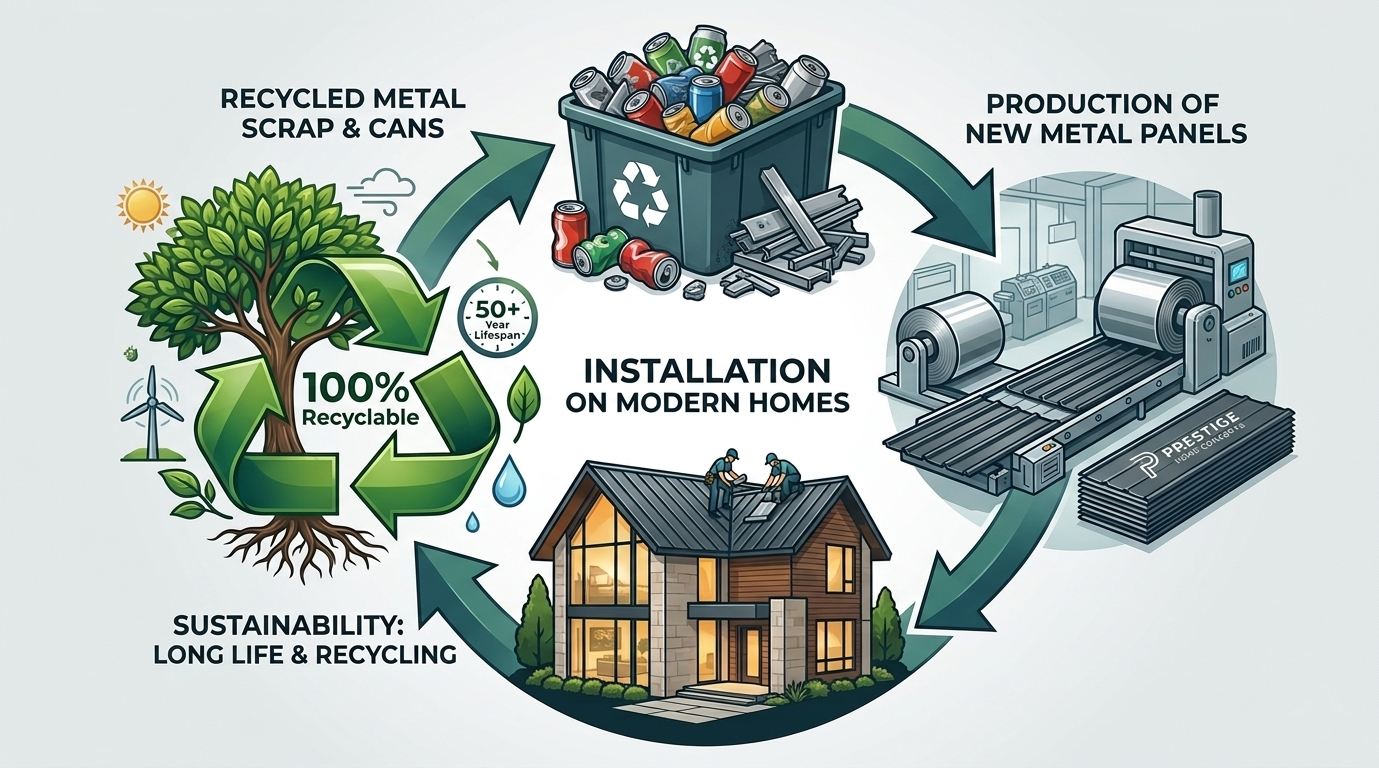
Metal roofing is also lightweight—about one-third the weight of asphalt, which allows it to be installed over an existing roof installation in many re-roofing projects. This reduces construction waste and eliminates the need for tear-off, making the process cleaner and more cost-effective.
Steel roofing can be recycled repeatedly without any loss of strength, making it a truly sustainable alternative to petroleum product based asphalt shingles dependent on fossil fuels. Metal roofing is light enough — roughly one-third weight of asphalt — that it can be installed overtop asphalt shingles in many re-roofing projects, eliminating debris elimination waste entirely. Add eco-conscious initiatives like solar panels and harvesting rainwater systems, and metal roofing becomes the foundation of a genuinely green roofing home.
Metal roofs are ideal for solar panels and rainwater harvesting systems, helping homeowners build a fully green roofing system for long-term environmental benefits.
7. Increases Property Value and Lowers Insurance Costs
A metal roof is not just a roofing upgrade—it is a smart financial investment. A professionally installed system can increase home value by 1–6%, thanks to its modern appearance, long lifespan, and low maintenance appeal. For potential buyers, a durable and long-lasting roof is a major selling point, especially in competitive housing markets.
What many homeowners don’t expect is the insurance savings. Metal roofing systems with a Class A fire rating and Class 4 impact resistance often qualify for 10–30% reductions in insurance premiums. This can result in hundreds of dollars saved annually, especially in areas prone to hail and severe weather.
Financial Benefits Overview
Home value increase: 1–6%
Insurance savings: 10–30% premium reduction
Annual savings: Hundreds per year depending on location
Best for: Areas with hail, storms, or wildfire risks
Cons of a Metal Roof
Every roofing option has trade-offs. Metal roofing has strong benefits, but it also comes with real disadvantages that homeowners often overlook during roofing selection.
1. High Upfront Cost
Metal roofing has a higher roofing cost compared to asphalt shingles due to specialized labor, expensive materials, roof pitch complexity, and roofing system type. According to a 2026 survey by Angi, about 31% of homeowners said the biggest concern was the high initial cost. On average, asphalt shingles cost around $9,300, while metal roofing is significantly more expensive depending on the material and design.
Here is the cost comparision between metal and ashpalt
Metal Type | Material Cost | Labor Cost | Total (Approx.) | Lifespan |
|---|---|---|---|---|
Steel — Exposed Fastener | $3–$6 | $3–$5 | $6,000–$12,000 | 40–60 yrs |
Steel — Standing Seam | $7–$12 | $5–$10 | $14,000–$24,000 | 50–70 yrs |
Aluminum | $8–$12 | $5–$10 | $16,000–$24,000 | 40–60 yrs |
Zinc | $14–$20 | $7–$12 | $28,000–$40,000 | 60–100 yrs |
Copper | $20–$40 | $10–$15 | $40,000–$80,000 | 100+ yrs |
Asphalt — 3-Tab | $1–$2 | $2–$3 | $5,000–$8,000 | 15–20 yrs |
Asphalt — Architectural | $2–$4 | $3–$5 | $7,000–$12,000 | 25–30 yrs |
2. Noise During Rain
Metal roofing can create storm noise, but this issue mostly comes from older agricultural-style roofing systems without insulation or decking. Modern roofing systems with solid sheathing and sound-dampening underlayment significantly reduce noise levels.
With proper roofing installation, metal roofing is only slightly louder than asphalt shingles — and inside the home, most homeowners notice no difference.
Quick Fix:
Use solid sheathing + minimum R-13 insulation board between roofing deck and panels. This reduces rain impact and hail noise by 15–20 decibels and improves roofing comfort significantly.
3. Denting from Hail and Falling Debris
Denting risk depends on roofing material and gauge thickness. Softer metals like aluminum and copper are more prone to impact damage, while steel roofing performs better in hail-prone regions.
Metal Type | Gauge | Resistance Level | Best Use |
|---|---|---|---|
Steel | 22-gauge | Excellent | Hail zones |
Steel | 24-gauge | Very Good | Most climates |
Steel | 26-gauge | Good | Low hail areas |
Steel | 29-gauge | Moderate | Budget roofing |
Aluminum | .040 | Low | Coastal use only |
Copper | 20 oz | Low-Medium | Luxury roofing |
Zinc | 0.7mm | Moderate | Moderate climates |
4. Thermal Expansion and Contraction
Metal roofing naturally expands and contracts with temperature changes. If the roofing system is poorly installed, this movement can loosen fasteners and cause long-term roofing issues.
Standing seam systems solve this using floating clip systems that allow controlled movement without damaging roof integrity.
Quick Fix:
Choose standing seam roofing with floating clips, especially in climates with large temperature swings (30°F+ daily variation). This prevents fastener loosening and roofing leaks.
5. Oil Canning
Oil canning is a visible waviness in flat metal panels caused by manufacturing tension, installation pressure, or thin gauge materials. It does not affect roof performance but impacts visual appearance.
Quick Fix:
Use 24-gauge steel, ribbed or structured roofing profiles, and floating clip systems to reduce visible oil canning effects.
6.Expensive Repairs
Metal roofing repairs usually require full panel replacement instead of patching. This makes roofing repair more specialized and expensive compared to asphalt shingles.
Color matching is another issue because paint finishes fade over time and production batches may differ.
Quick Fix:
At installation, always order 5–10% extra roofing panels from the same production batch and store them for future repairs. Also document manufacturer name, color code, and batch number.
7. HOA Restrictions — Hidden Roofing Barrier
Many HOA communities restrict metal roofing due to appearance rules covering roofing materials, colors, and profiles. This is one of the most common surprise issues in roofing selection.
Stone-coated steel roofing often bypasses restrictions because it visually resembles shingles or tile roofing.
3-Step HOA Action Plan:
Request HOA roofing guidelines in writing
Confirm if stone-coated steel is allowed
Submit formal variance request with safety + property value data
Quick Fix:
Never purchase roofing materials before written HOA approval. Verbal approval is not reliable.
What Are the Biggest Problems With Metal Roofs?
Metal Roofing Considerations for Specific Climates
Choosing the right metal roofing depends on your local climate and how the roof performs under real conditions. Each region has different challenges, so selecting the right material and system improves durability, comfort, and long-term performance.
Hot & Sunny — Reflective metal panels reduce heat absorption and lower indoor temperatures, helping cut cooling load and improve summer comfort.
Cold & Snowy — Smooth metal surfaces allow snow to slide off easily, reducing buildup and minimizing the risk of ice dams and structural stress.
Coastal (1 mile ocean) — Corrosion-resistant metals and protective coatings handle salt air exposure and prevent long-term damage.
High Hail Risk — Thicker gauge steel with strong impact ratings improves resistance against dents from heavy hail and falling debris.
Humid & Rainy — Proper underlayment and flashing systems prevent moisture infiltration and protect against water-related issues.
Wildfire Zone — Noncombustible metal roofing provides added protection by reducing the risk of ignition from airborne embers.
Rust and corrosion concern
The main issue with metal roofs is rust and corrosion. This is a common concern because some metals are prone to damage over time, especially in moisture and changing weather conditions. Steel roofs can rust if they are not properly treated, but most modern metal roofing materials are designed to resist corrosion. In practice, coatings like zinc, galvanized layers, and aluminum-zinc alloys such as Galvalume are used to prevent rust.
Steel roofs need protection using zinc or Galvalume coatings
Aluminum is naturally resistant to rust and corrosion
Copper forms a protective patina over time, which prevents further corrosion
Zinc is highly resistant to rust
With proper installation and maintenance, modern metal roofs keep strong rust resistance, and rust is rarely a significant problem in well-maintained metal roofs
Is a Metal Roof Worth It?
Yes, a metal roof is worth it when the right conditions match. Metal roofs are an attractive and durable roofing option compared to traditional asphalt shingles, and for many homeowners, A metal roof stays 15+ years, because the life expectancy is two to three times longer than shingles, which offsets the higher initial investment over time.
Metal roofs work well in hot climates and in conditions like in wildfire, hurricane, and hail-prone areas due to their durability and protection. With minimal maintenance and higher upfront cost, they are suited for homeowners planning long-term use and value retention.
A metal roof is a long-term roofing choice that focuses on durability, protection, and low maintenance rather than short-term